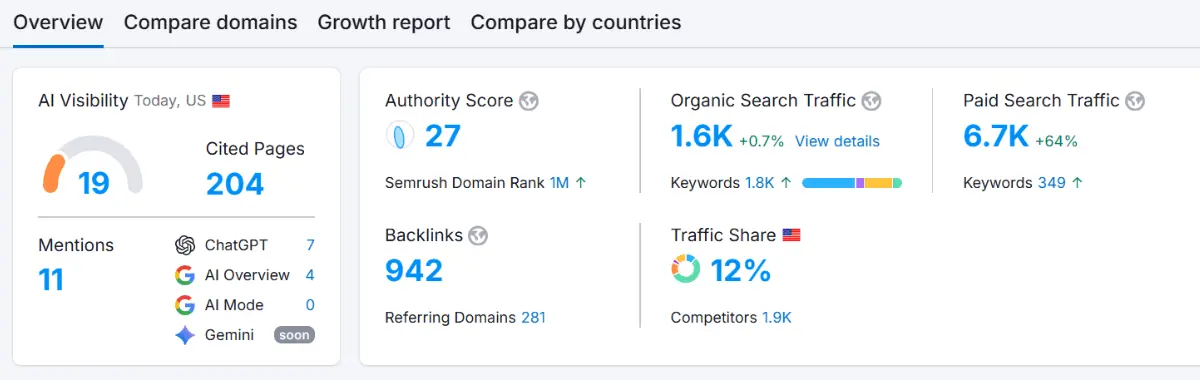
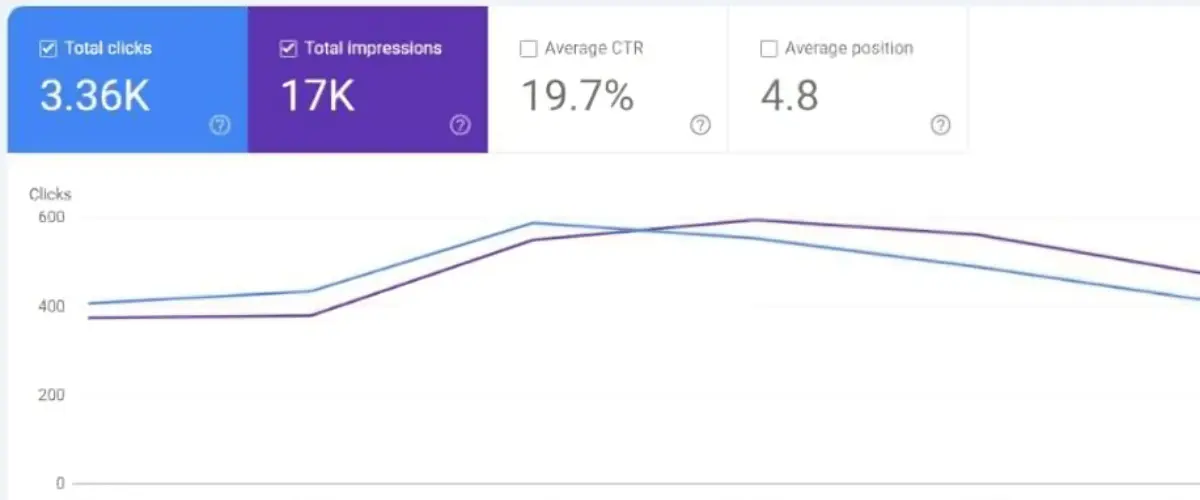
How we redesigned the website and used Local SEO to generate consistent calls and top map pack rankings
When a Boiler Repair company in Austin reached out to me, their biggest challenge was
visibility.
They had an outdated website that wasn't mobile-friendly and virtually zero presence on Google
Maps. They were relying on expensive paid ads and word-of-mouth.
They needed a twofold solution: a modern, high-converting website and a robust Local SEO
strategy
to rank for keywords like "boiler repair Austin" and "emergency boiler service." My goal was to
build them a digital foundation that would generate organic leads for years to come.
Boost online visibility, generate more local calls, and redesign the website for higher conversions.
Austin is one of the fastest-growing cities in the US. That growth brings opportunity and intense competition. When I audited this client, over 180 HVAC and boiler-related businesses were competing for the same three Google Map Pack spots.
Most relied on Angi, HomeAdvisor, and Thumbtack for leads. These platforms are expensive and inconsistent. The businesses that owned Google Maps got calls at zero cost per lead after the initial SEO investment.
Boiler repair in Austin is not a seasonal spike business like AC. Demand is steady year-round. That means you need to be visible every single day. Getting into the Top 3 and staying there requires a strong, consistent technical foundation.
According to BrightLocal's 2024 Local Consumer Review Survey, 98% of people used the internet to find a local business in the past year. Of those, 78% searched specifically on Google. Being absent from Google Maps means leaving serious money on the table every single week.
Over 180 HVAC-related businesses in Austin competing for just 3 Map Pack spots.
78% of local searches for trade services happen on Google, per BrightLocal 2024.
After SEO investment, Map Pack calls cost nothing per lead unlike Angi or paid ads.
We built a custom WordPress site tailored for the HVAC and boiler niche, focusing on speed and user experience.
We implemented a comprehensive local strategy to put them on the map—literally.
Within 6 weeks, the business began ranking in the Top 3 local map pack for “boiler repair Austin.”
The difference was clear: consistent local leads, higher trust, and better ROI.
Duplicate listings and inconsistent NAP across the web.
Manually fixed and rebuilt citations. This alone improved map rankings by ~30%.
Old site layout was heavy and loaded slowly.
Fixed with image compression, caching, and CDN integration.
Every element was built to compound authority over time — not quick wins that disappear when you stop paying.
Wrong category, no description, 3 photos. We rewrote the listing with keyword-rich content, correct categories, 47 job photos, and activated the booking feature with weekly post scheduling.
14 listings existed — 9 with wrong NAP. We corrected every one and built 60+ new citations across US directories and boiler-specific platforms, giving Google a strong trust signal.
From 6 reviews to 31 in 90 days at 4.9 average. We implemented a post-job SMS sequence sent 24 hours after completion with a direct Google review link — zero pressure, high response rate.
5 new service pages targeting 'boiler repair Austin', 'emergency boiler service Austin', 'boiler installation Austin' and more. Each had LocalBusiness schema, 800+ words, and location FAQs.
8 local backlinks in 3 months — Austin home service blogs, local news features, chamber listing, and supplier directory. Domain Authority rose from 4 to 16 in 4 months.
Mobile PageSpeed was 38. After WebP conversion, plugin audit, WP Rocket, and CDN setup it reached 91. Core Web Vitals passed all three metrics within 6 weeks of the technical work.
Real SEO takes time to compound. Here is exactly what happened each month — no inflated claims, no cherry-picked data.
"Muhammad Ahmad completely transformed our online visibility in Austin. We went from virtually nobody calling us through Google to handling 15–20 calls per week consistently. The results were faster than I expected."
Going from 6 to 31 reviews in 90 days at 4.9 stars was the single biggest ranking catalyst. Google's local algorithm weighs review quantity and recency heavily — this signal moved the Map Pack position faster than any other change.
Moving from PageSpeed 38 to 91 on mobile reduced bounce rate dramatically. Google rewarded the improved Core Web Vitals with higher rankings within weeks, and customers who found the site stayed longer and called more.
Fixing 9 inconsistent citations and building 60+ new accurate ones gave Google a strong trust signal. This unglamorous work is what most agencies skip — but it directly moves Map Pack rankings.
Every campaign teaches something new. These are the lessons from this one.
Correcting the GBP category from 'Heating Contractor' to 'Boiler Repair Service' moved the Map Pack position by 4 spots before any other work was done. If your category is wrong, nothing else matters. Fix that first.
Getting 14 reviews in a single month hit harder than having 31 total. Google weights recency and velocity heavily. A consistent flow of new reviews is more powerful than a large static number collected two years ago.
Going from PageSpeed 38 to 91 did not just help rankings. The bounce rate dropped 38% within three weeks. People who found the site stayed and called. Speed is a direct revenue lever.
Fixing 9 inconsistent NAP listings was the trust signal Google needed to start moving the Map Pack position. Most agencies skip this. That is a mistake.
Unlike AC repair, boiler demand in Austin does not have a clear peak. This means consistent monthly SEO activity matters more than campaign bursts. The ranking built over 6 weeks had to be maintained actively.
Top 3 at 6 weeks happened because all five campaign phases ran simultaneously. GBP, citations, reviews, on-page, and speed worked in parallel. Sequential campaigns take twice as long. Run everything at once from day one.
First meaningful movement appeared in month 2 — page 1 for 3 keywords and first Map Pack appearances. Top 3 Map Pack was achieved by month 4 and fully consolidated by month 6 with consistent 15–20 calls per week.
Yes. I work with HVAC and boiler repair companies across the UK, USA, Canada, and Australia. The principles are the same — I adapt the strategy to local market competitiveness.
In this case the existing site was too outdated and slow (PageSpeed 38) that a rebuild was more efficient. For many clients, optimising the existing site produces excellent results. A free audit determines the best path.
A complete campaign covers: GBP optimisation, NAP citation audit and building, on-page SEO, a review generation system, local link building, and monthly reporting. The exact mix depends on where the biggest gaps are.
The technician verbally asked for a review at job completion. An automated SMS then went out 24 hours later with a direct Google review link. No pressure, no incentivisation. The verbal ask set the expectation. The SMS made it effortless. We saw a 41% completion rate, far above the industry average of 5 to 10%.
The website rebuild. A complete site migration always risks losing existing rankings. We mitigated this by preserving the URL structure and completing the technical migration before launching any SEO work. The site had almost no organic traffic to begin with, so the risk was lower than usual.
Yes, a Google Business Profile can rank without a website. But in a competitive market like Austin, a website adds important supporting signals including service pages, location-specific content, and broader keyword coverage. Without one, you limit how many search terms you can appear for.
Get a free Local SEO audit and see how we can grow your calls, leads, and local visibility.
Get My Free Local SEO Audit